


Summary
- Scientists from the Massachusetts Institute of Technology and the University of Oxford argue that the six-foot rule is part of oversimplified, overly rigid, and outdated science. (source: Social distancing six feet apart is based on ‘outdated science,’ scientists say)
- Studies show that anywhere from 3 to 26 feet is needed to mitigate aerosolized water droplets, which are microscopic compared to larger sneeze/cough droplets on which the 6 ft. guidance is based on.
- 6 ft. can be too much or too little.
- Social distancing does not appear to achieve any public health objectives.
Details
- Originally proposed in 1897 by Carl Flügge, a German bacteriologist who studied the movement patterns of fluid droplets expelled from the mouth when speaking, coughing, or sneezing.
- Found that visible fluid droplets containing pathogens travel approximately six feet.
- 1940’s bacterium study confirmed this, but it also demonstrated that 10% of people produce droplets that go 9.5 ft.
- 8 of 10 recent studies demonstrate droplets travel > 6ft.
- One study showed an indoor sneeze traveling 20-26 ft.
- Oversimplification of the particle physics is a problem.
- It depends on various factors such as air flow modeling, temperature, viral survival, required critical viral load to cause infection, the type of virus, etc.
- 3 ft or 6 ft. may not be enough in some conditions, which is unsafe.
- In other cases, 6 ft. may be excessive and simply harmful to social, commercial, or other safety objectives.
- Distancing is in itself not a perfect solution by itself unless is it strict enough to be considered a quarantine.
- Note: Quarantines involve isolated a sick person. Lockdowns include everyone (the healthy). Social distancing is a hybrid strategy that is between unrestricted contact and quarantines/total lockdowns.
- Lockdowns have similarly proven to be ineffective.
- Also, older studies were all based on “large droplets”.
- Critical viral loads are carried by aerosolized respiratory droplets which cannot be seen by the naked eye.
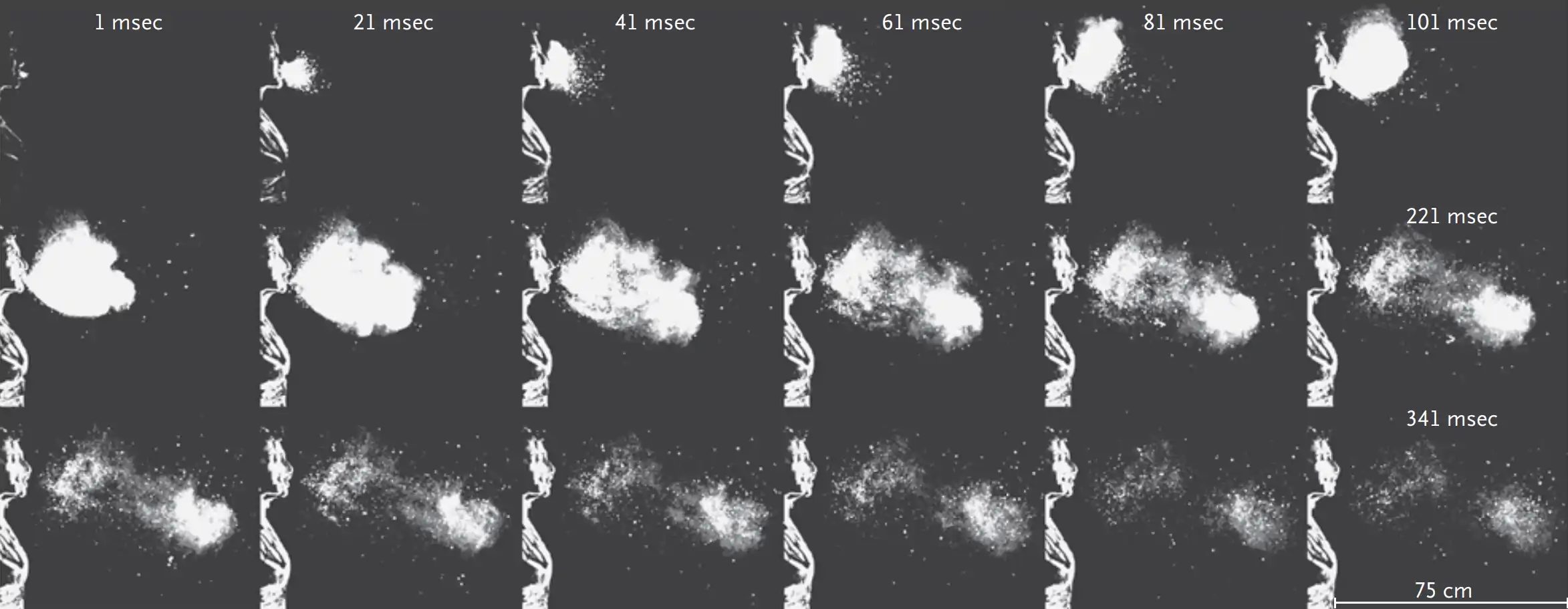
- Spread of aerosolized droplets depends on many more things (talking vs. sneezing).
- Air currents greatly affect aerosols.
- Aerosols can remain in the air for up to 16 hrs.
- There is not a one-size-fits-all number for social distancing.
- There are too many factors to make it practical for social regulation.
- It is not effective enough to be considered protection.
- It might be best to quarantine sick people instead.
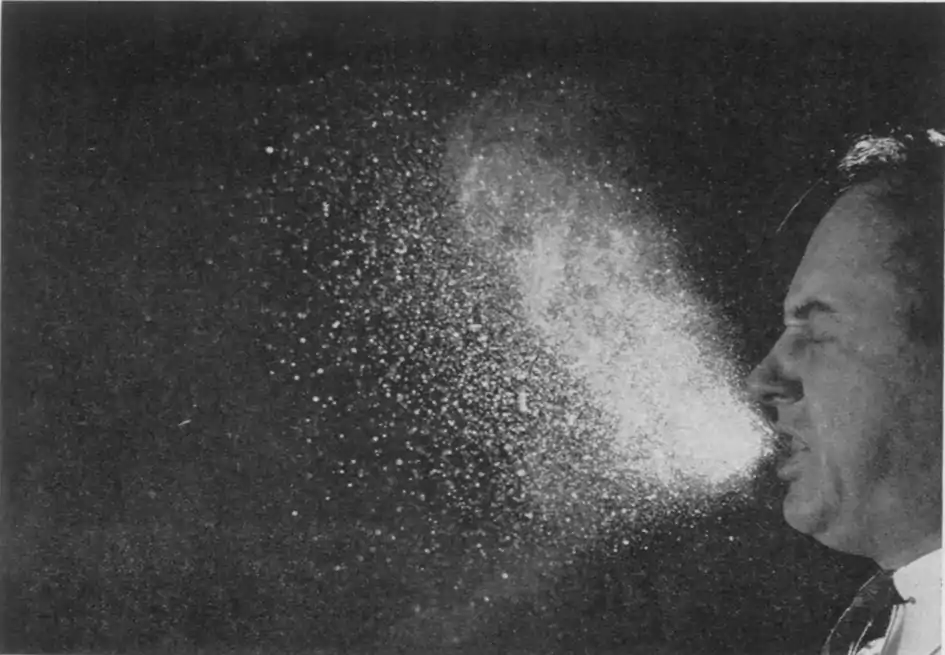
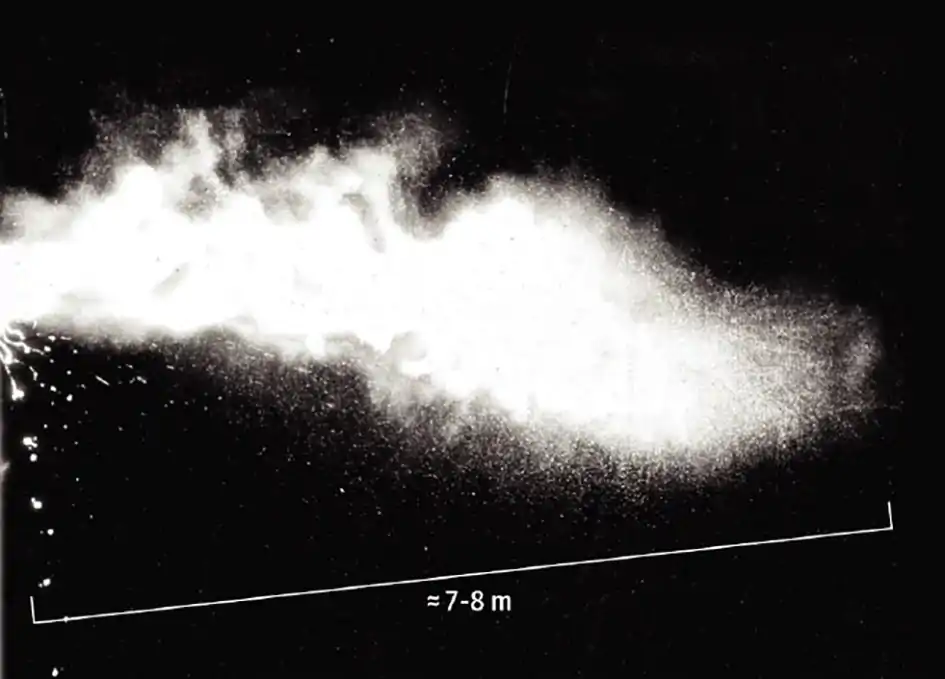
Most older studies focus on large droplets but viruses spread mostly by aerosolized respiratory droplets.
 June 19, 2022
 June 3, 2022
 May 22, 2022
 May 19, 2022
 May 19, 2022
 April 26, 2022
 April 26, 2022
 April 26, 2022
 April 14, 2022
 April 11, 2022